Village Laduachaure, P.O, Dhikuli, 244715 Jim corbett ( Uttarakhand )
+91- 9927059665
thewildcrest@yahoo.com


One of the first decisions in destination wedding planning, often made before the venue itself, is the date. Jim Corbett's weather shifts meaningfully across the year, and getting the timing right affects everything from guest comfort to décor choices to how easily you can book your preferred resort. Here is a season-by-season breakdown to help you choose confidently.
Couples often finalize a venue before seriously interrogating whether their preferred date actually suits that venue's location and climate, only to discover mid-planning that their chosen month brings uncomfortable heat, unpredictable rain, or a fully booked calendar that forces compromises on room availability or catering flexibility. Treating date selection as an equally important decision to venue selection, ideally deciding both together rather than sequentially, leads to a noticeably smoother planning process and a more comfortable experience for your guests.
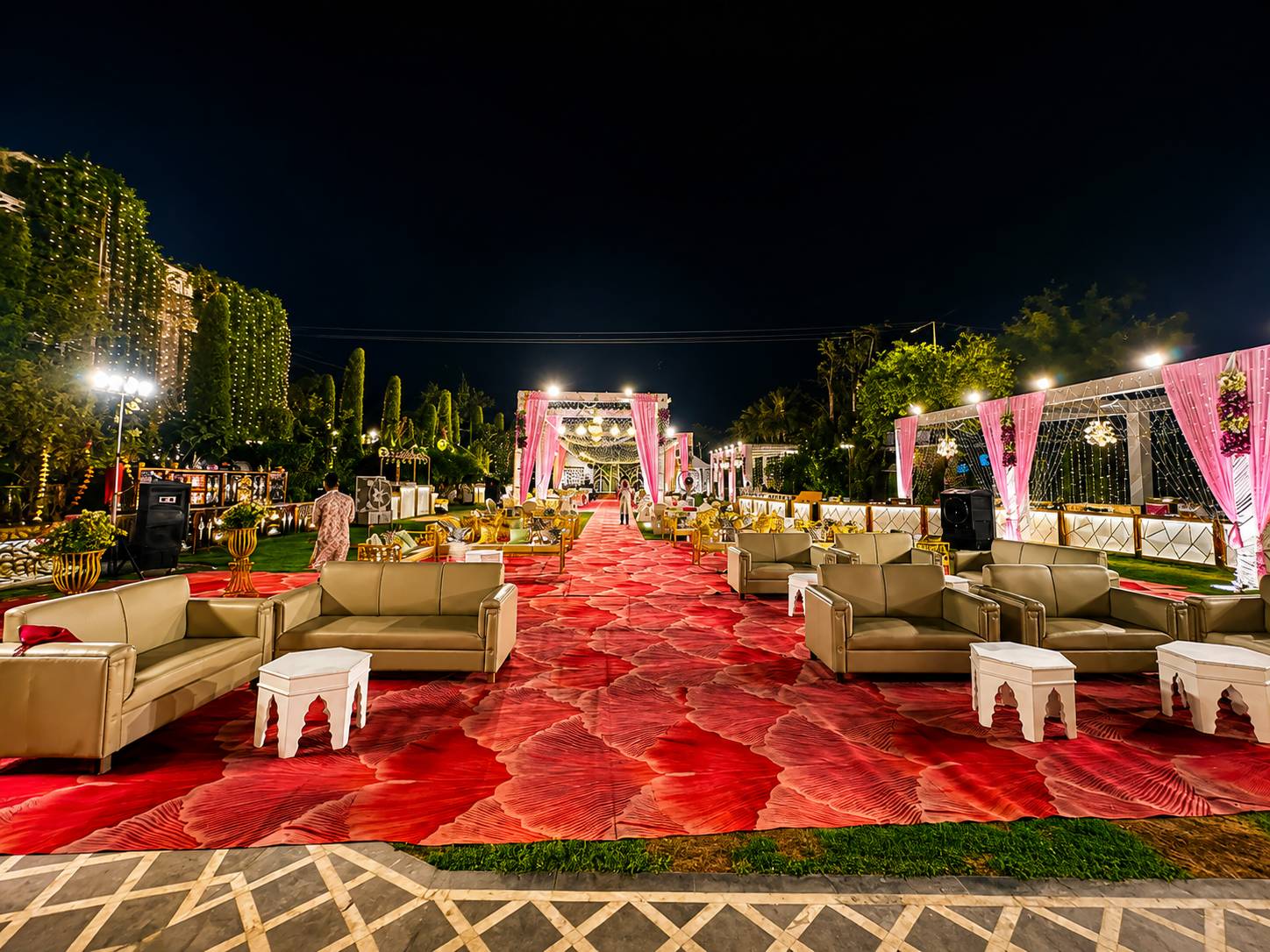
Winter is, by a wide margin, the most popular season for weddings in the Corbett region, and for good reason. Daytime temperatures are pleasant, typically comfortable for outdoor lawn functions, while evenings turn crisp enough to justify bonfires, warm shawls, and cozy sangeet setups that photograph beautifully. This period also aligns with the broader North Indian wedding season, so guests are mentally prepared for a wedding-heavy calendar.
The trade-off is availability: because this is peak season, resorts book out months in advance, and rates sit at their highest point of the year. Couples set on a winter date, particularly December or late January into February, which coincide with auspicious wedding dates on the Hindu calendar, should lock their venue at least six to nine months ahead.
A season that feels comfortable to a Delhi-based guest list might feel different to relatives traveling from further south or from coastal cities with different baseline climates. Guests from Chennai or Mumbai, for instance, often find Corbett's winter genuinely cold and may need guidance on packing appropriately, while guests from cooler northern hill regions may find even Corbett's summer relatively mild by comparison. If your guest list spans multiple climate zones within India, it is worth sending a simple packing guide alongside your invitations so no one arrives underprepared for the season you have chosen.
March offers a genuine sweet spot for couples who want pleasant weather without winter's booking rush. Temperatures are still moderate, gardens are typically at their most lush after winter, and resorts have more room availability and slightly more negotiating room on pricing compared to the December–January peak. March weddings are becoming more common precisely because savvy couples are choosing to sidestep the winter scramble.
It is also worth checking the Hindu festival and auspicious-date calendar (muhurat dates) for your target season, since these dates cluster demand even further within an already busy winter period. If your family has flexibility around the exact date, choosing a date just outside the most popular muhurat cluster can sometimes secure better venue availability and pricing while still falling within the broadly auspicious window your family is comfortable with.
Summer in the Ramnagar plains can get genuinely hot during the day, which makes daytime outdoor functions less comfortable for guests. That said, resorts with pool access and shaded lawns can still host functions successfully if scheduled for early morning or evening hours. Summer also tends to have the lowest room rates and the most availability, which appeals to couples working with tighter budgets or shorter planning timelines. If you choose a summer date, plan major outdoor functions after sunset and lean on the swimming pool for daytime guest activities.
Monsoon transforms the Corbett landscape into its most vividly green state, which is a genuine draw for couples who want a dramatically different aesthetic from the dusty browns of summer or the misty greys of deep winter. However, unpredictable rain makes outdoor lawn functions a gamble. Any monsoon wedding needs a solid indoor backup, resorts with multiple conference halls, like The Wild Crest's three-hall setup, are particularly valuable during this window, since functions can pivot indoors on short notice without losing the celebratory scale.
Depending on your chosen season, certain amenities matter more than others, and it's worth confirming their availability directly with the resort. For winter weddings, ask about room heating and the availability of bonfire setups for evening functions. For summer dates, confirm air conditioning across all room categories, not just premium ones, since guest comfort in Corbett's summer heat depends heavily on this. For monsoon weddings, ask specifically about covered walkways between rooms and event spaces, since guests moving between functions in unexpected rain is a common and avoidable frustration.
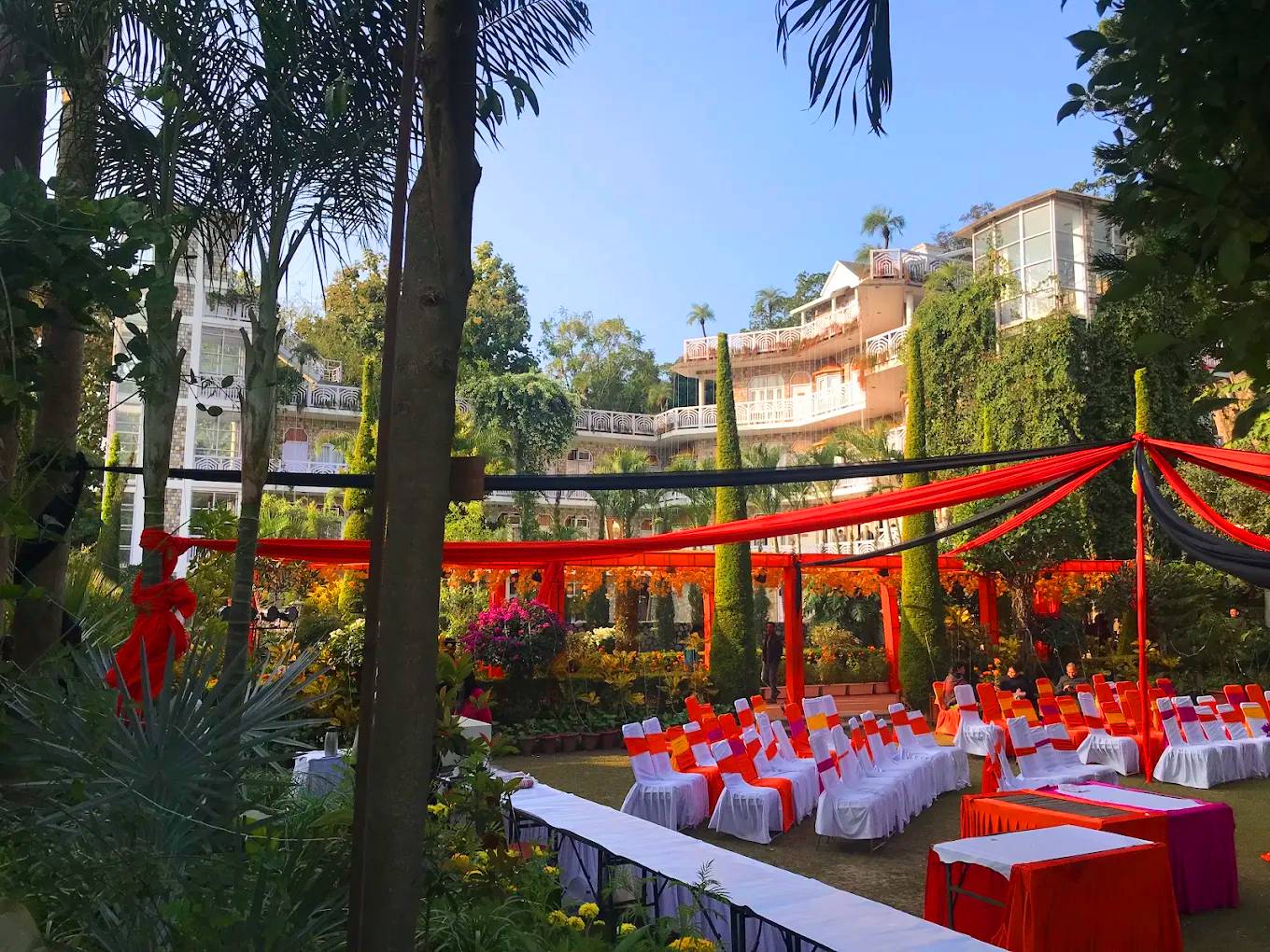
Beyond comfort, season affects three practical planning elements. First, availability: peak winter dates require far earlier booking than a summer or monsoon date. Second, pricing: off-season months typically offer better room and package rates, sometimes meaningfully so. Third, décor and photography: each season gives a distinctly different visual palette, misty winter mornings, lush monsoon greens, golden summer light, so it is worth discussing your preferred aesthetic with your photographer before locking a date.
If flexibility isn't a constraint and you want the classic North Indian winter-wedding experience with cool evenings and full guest availability, winter remains the strongest choice, just plan and book early. If you are more budget-conscious, open to a slightly different aesthetic, or want better negotiating leverage with the venue, March or a well-planned monsoon date (with a strong indoor backup) can deliver an equally memorable wedding at a lower cost and with more room availability.
For a winter wedding, start venue conversations 8–12 months out. For spring or summer, 5–7 months is usually sufficient. For monsoon, 4–6 months works, though you should confirm the resort's indoor hall capacity specifically, since backup planning matters more in this window than in any other.
Season should influence not just your date but your styling choices too. Winter weddings suit richer color palettes, deep reds, golds, and jewel tones, that photograph beautifully against crisp, clear skies and pair naturally with bonfire-lit evening functions. Monsoon weddings lean into the lush greenery already surrounding the venue, meaning décor can be lighter and more minimal since the landscape itself does much of the visual work. Summer weddings often benefit from lighter pastel palettes and increased use of shaded or covered structures to keep both guests and floral arrangements from wilting under direct afternoon sun. Discussing your target season with your decorator early lets them plan a palette that works with, rather than against, the natural conditions.
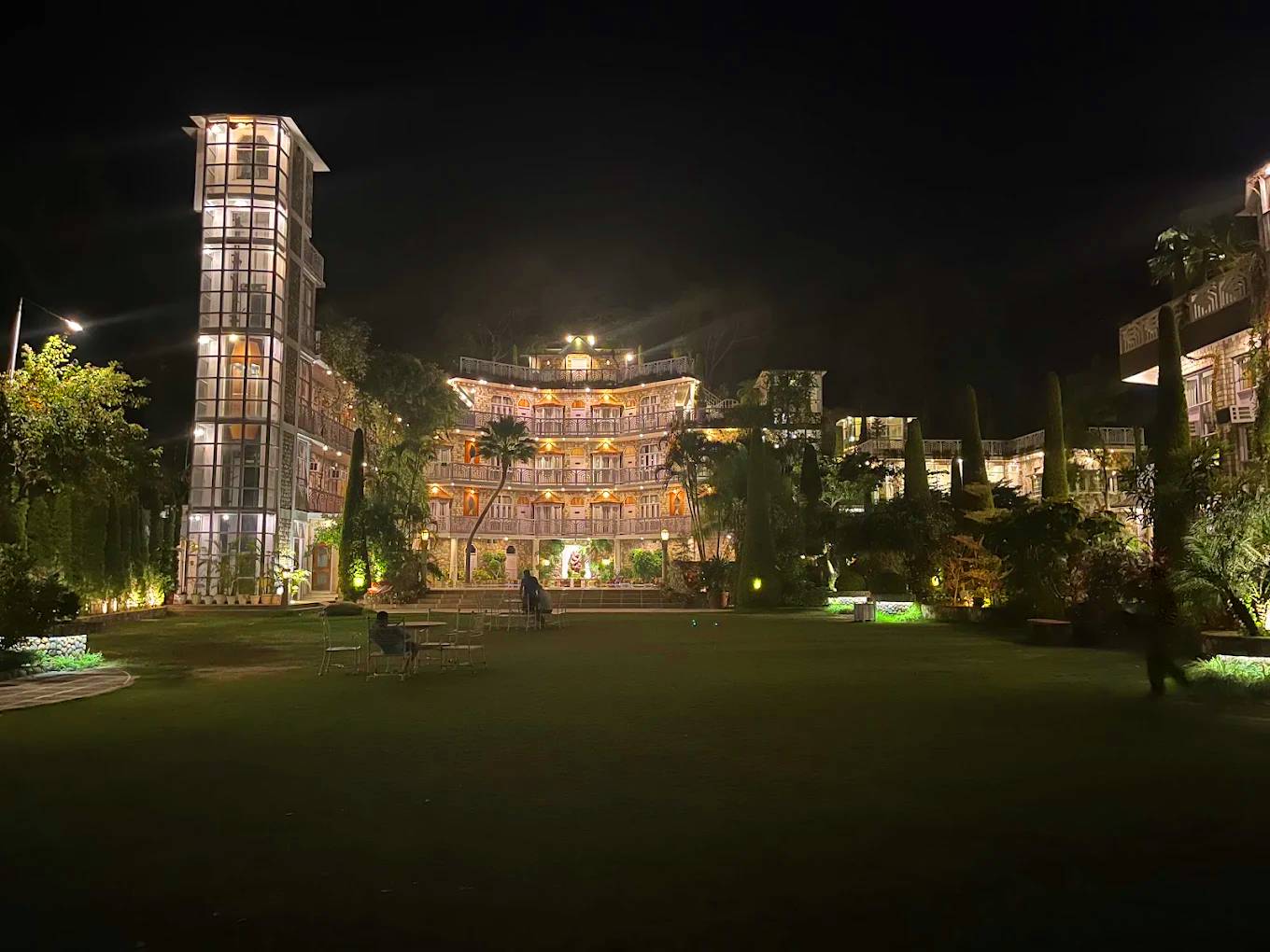
Post-monsoon freshness with comfortable temperatures; an increasingly popular early-season choice as it avoids the peak December–January rush while still offering pleasant weather.
Cooler evenings begin, gardens are lush from the retreating monsoon, and booking competition starts to intensify as the traditional wedding season approaches.
The absolute peak, coldest and most in-demand, with the highest rates and earliest booking requirements, but also the most classic “winter wedding” atmosphere with bonfires and warm evening functions.
Still comfortable and popular, often slightly easier to book than December or January while retaining most of winter's appeal.
A strong value window with good weather and considerably more room availability and negotiating leverage.
Hot afternoons but manageable mornings and evenings; best suited to couples prioritizing budget and flexible availability over peak-season prestige.
Lushest scenery of the year, lowest rates, but requires a firm indoor backup plan given monsoon unpredictability.
If you are choosing between a peak winter date and an off-season alternative, weigh three factors specifically: how much flexibility your guest list has (elderly relatives may find summer heat or monsoon uncertainty harder to manage), how far in advance you are planning (less than six months strongly favors an off-peak date given winter's booking pressure), and how much of your budget you want allocated to the venue itself versus décor, catering, and entertainment, since off-season rates free up funds for the latter.
There is no universally “best” month for a Corbett wedding, only the best month for your specific priorities around weather, budget, and guest comfort. Winter delivers the classic experience at a premium; the shoulder seasons offer a strong balance of good weather and better value; monsoon rewards couples who plan a solid indoor contingency. Whichever season you choose, confirming the resort's seasonal capacity, indoor hall availability, pool access, and staffing during your target window, should be one of the first questions in any venue conversation.
Check seasonal availability and request a date-specific quote through the Contact Us page.