Village Laduachaure, P.O, Dhikuli, 244715 Jim corbett ( Uttarakhand )
+91- 9927059665
thewildcrest@yahoo.com


Couples and event planners frequently treat “Jim Corbett” and “Ramnagar” as two separate destination choices when searching for a venue, when in reality the two names largely describe the same region viewed from different angles. Understanding how they relate, and where the genuine differences lie, will save you time and help you interpret resort listings more accurately.
Every couple or event planner starting their venue search inevitably runs both searches, “resorts in Jim Corbett” and “resorts in Ramnagar”, expecting to compare two distinct sets of options before eventually noticing significant overlap between the results. Understanding upfront that this overlap is expected, rather than a confusing coincidence, saves considerable time during the early research phase and lets you focus energy on comparing individual properties rather than trying to decide between two destinations that are, for practical purposes, the same place.
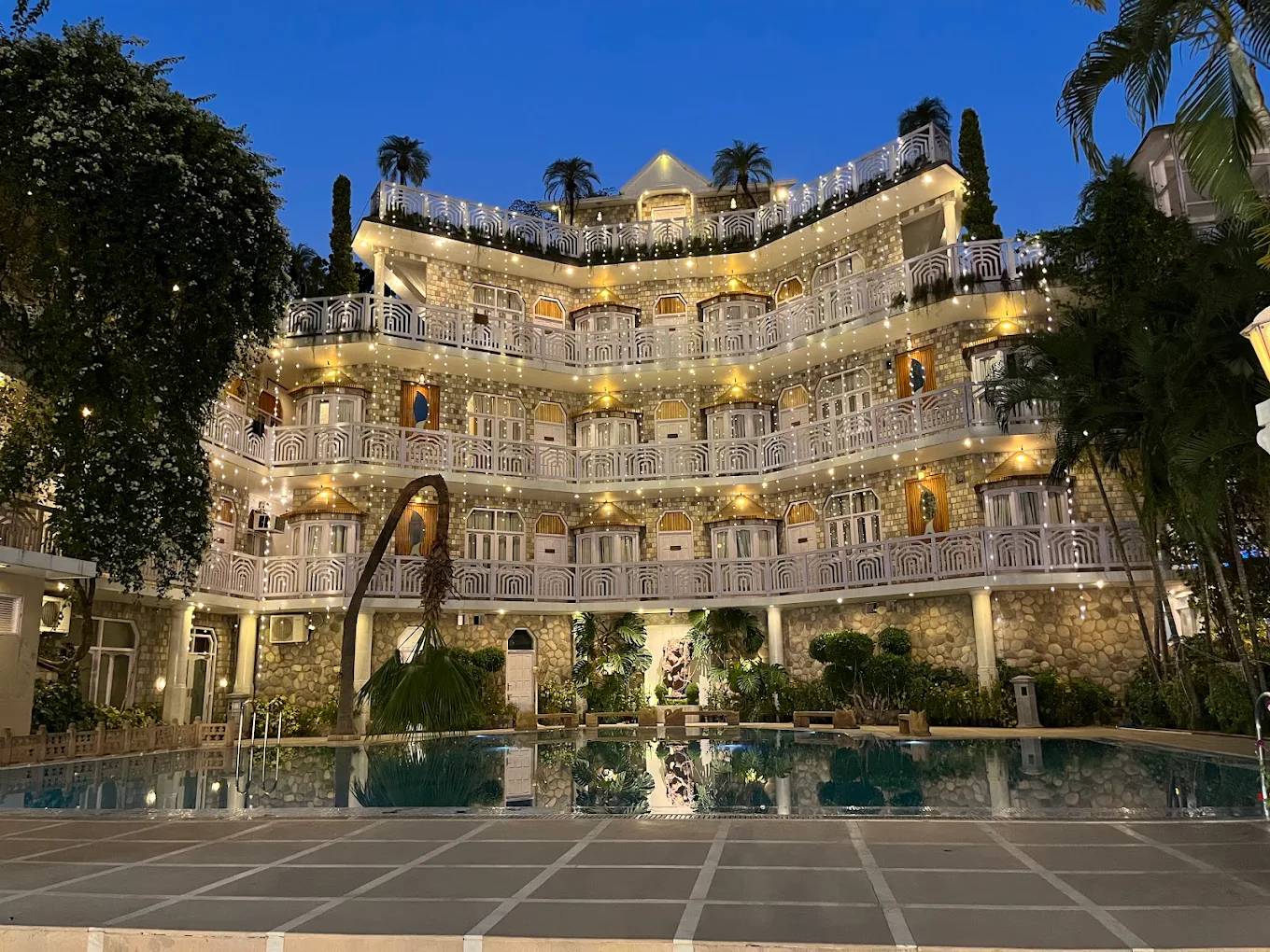
Not really, at least not in the way beach-versus-mountain destinations differ. Ramnagar is the town that serves as the primary gateway to Jim Corbett National Park; most resorts marketed as “Jim Corbett resorts” are physically located in or around Ramnagar, particularly in the Dhikuli area along Ranikhet Road. When a resort advertises itself as being “in Jim Corbett,” it typically means it sits near the park's boundary or safari gates, while “in Ramnagar” refers to the broader town and surrounding villages, including Dhikuli, that make up the resort belt.
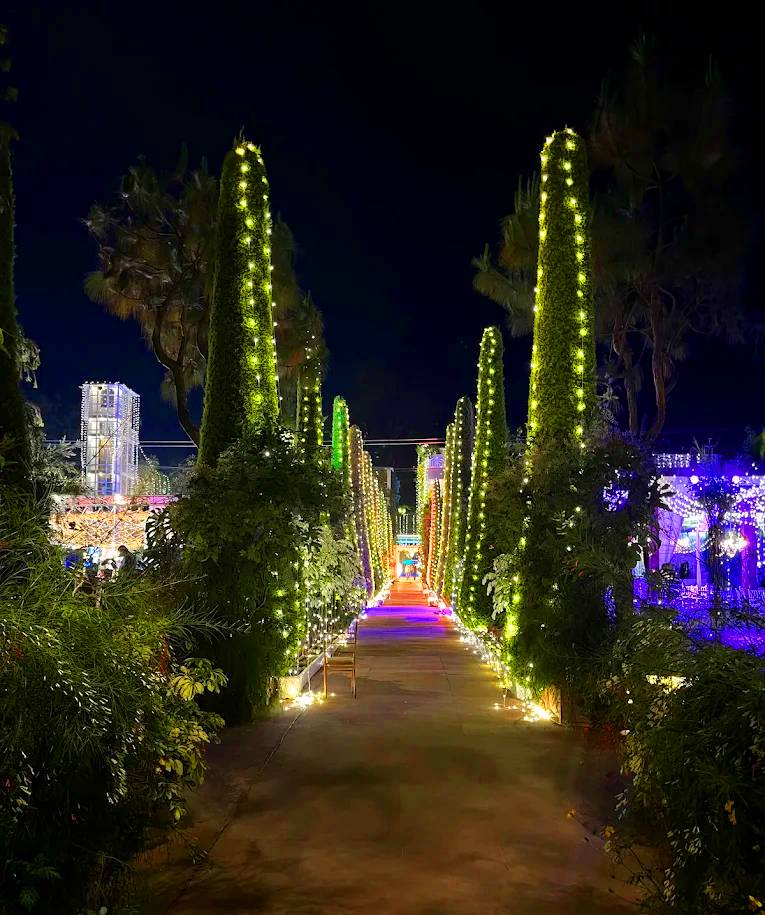
The real distinctions to watch for are not between “Corbett” and “Ramnagar” as destinations, but between individual resorts within this shared region, specifically their distance from safari gates, their access to river or forest views, and how centrally located they are along the main roads. A resort deep inside a residential part of Ramnagar town may be several kilometers further from Bijrani or Dhikala gate than a resort in Dhikuli, even though both could technically market themselves as “Jim Corbett” properties.
Online travel platforms often let properties select their own destination tags, which means a resort's owner, not an independent geographic authority, decides whether to list under “Jim Corbett” or “Ramnagar” or both. This self-selected tagging is another reason the two labels appear more distinct in search results than they are in reality; two resorts a few hundred meters apart might appear under entirely different destination categories simply based on how each ownership team chose to tag their own listing.
When you do reach out to shortlisted resorts, mention both search terms directly, ask “are you closer to what people call the Jim Corbett resort belt or specifically in Ramnagar town” as an opening question. The answer, and how clearly the resort's team explains their own positioning, often tells you as much about their overall communication quality as it does about their actual geography.
For a destination wedding, the practical question isn't “Corbett or Ramnagar” but rather: how close is this specific resort to a safari gate, does it have forest or river-adjacent scenery for photography, and is it centrally positioned for guest logistics? A resort in Dhikuli, technically part of Ramnagar but marketed under the Jim Corbett name, can offer both proximity to the park and convenient access to the town's railway station and markets, effectively giving you the benefits typically associated with each label.
Corporate groups care primarily about travel time from Delhi-NCR and on-site infrastructure rather than which specific label a resort uses. Since most well-equipped conference-capable resorts sit in the Ramnagar-Dhikuli belt regardless of how they brand themselves, the more useful comparison for corporate planners is between individual properties' hall capacity, room inventory, and group-hosting track record, not between the two place names.
If there is one habit worth adopting from this comparison, it's this: whenever a resort's marketing leans heavily on a destination label, whether “Jim Corbett” or “Ramnagar”, treat that as a starting point for further questions, not as the final piece of information you need. The label tells you roughly which region to expect; everything that actually determines whether a venue suits your wedding or corporate event, gate distance, capacity, scenery, and track record, requires asking the property directly.
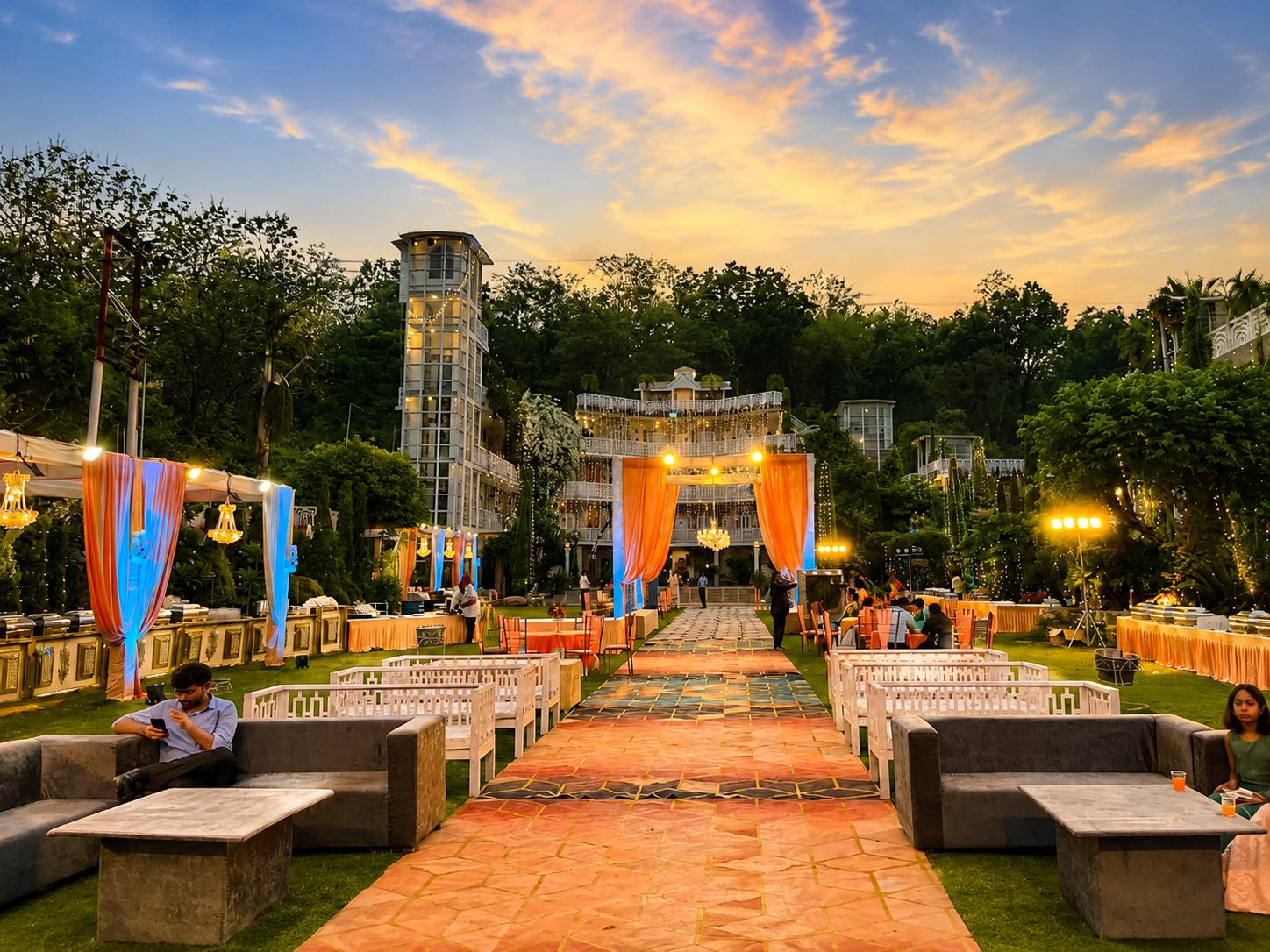
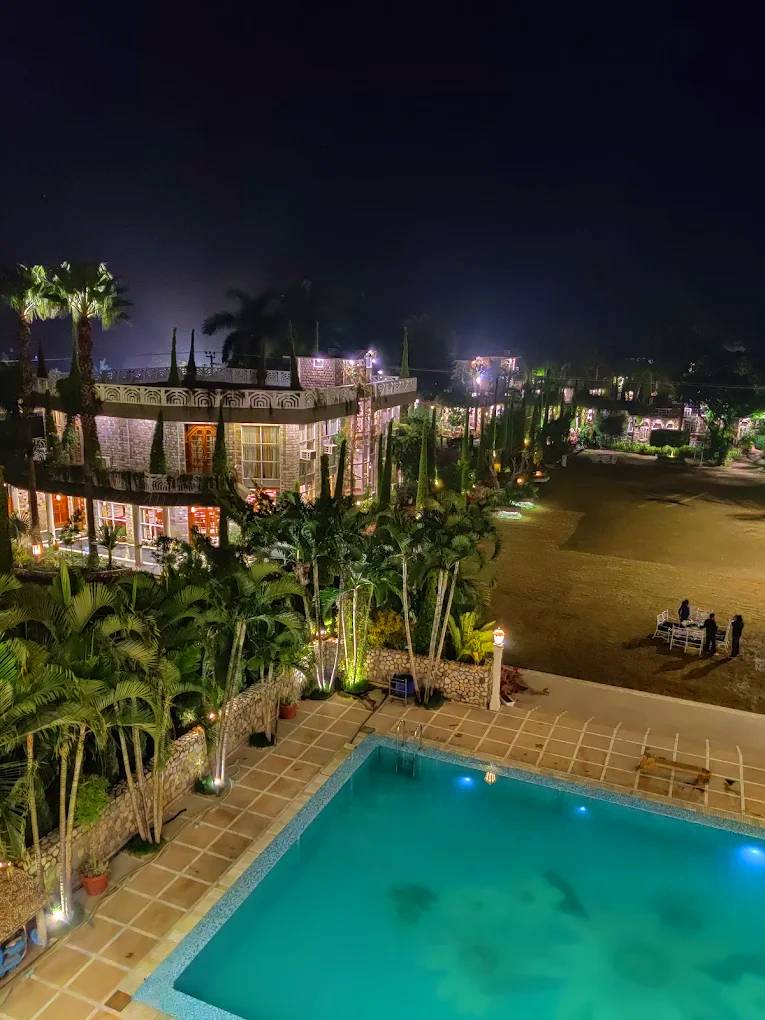
The Wild Crest is located in Dhikuli, Ramnagar, directly on Ranikhet Road, roughly 6 km from Bijrani Gate and 10 km from Dhikala Gate. This positioning means the property genuinely delivers on both associations: the wilderness proximity that “Jim Corbett” implies, and the accessibility and central location that “Ramnagar” implies. With 65 rooms, four lawns, and three conference halls, it is built to serve both wedding parties seeking a forest-adjacent luxury venue and corporate groups needing dependable meeting infrastructure.
Professional wedding planners who work regularly across the Corbett-Ramnagar belt tend to evaluate venues less by their marketing labels and more by a short mental checklist built from experience: exact gate distance, kitchen capacity relative to expected headcount, number of independent event spaces, and how quickly the resort's team responds to detailed logistical questions during the inquiry stage. Couples planning their first, and likely only, destination wedding can borrow this same lens rather than relying on how a resort brands its location in search results.
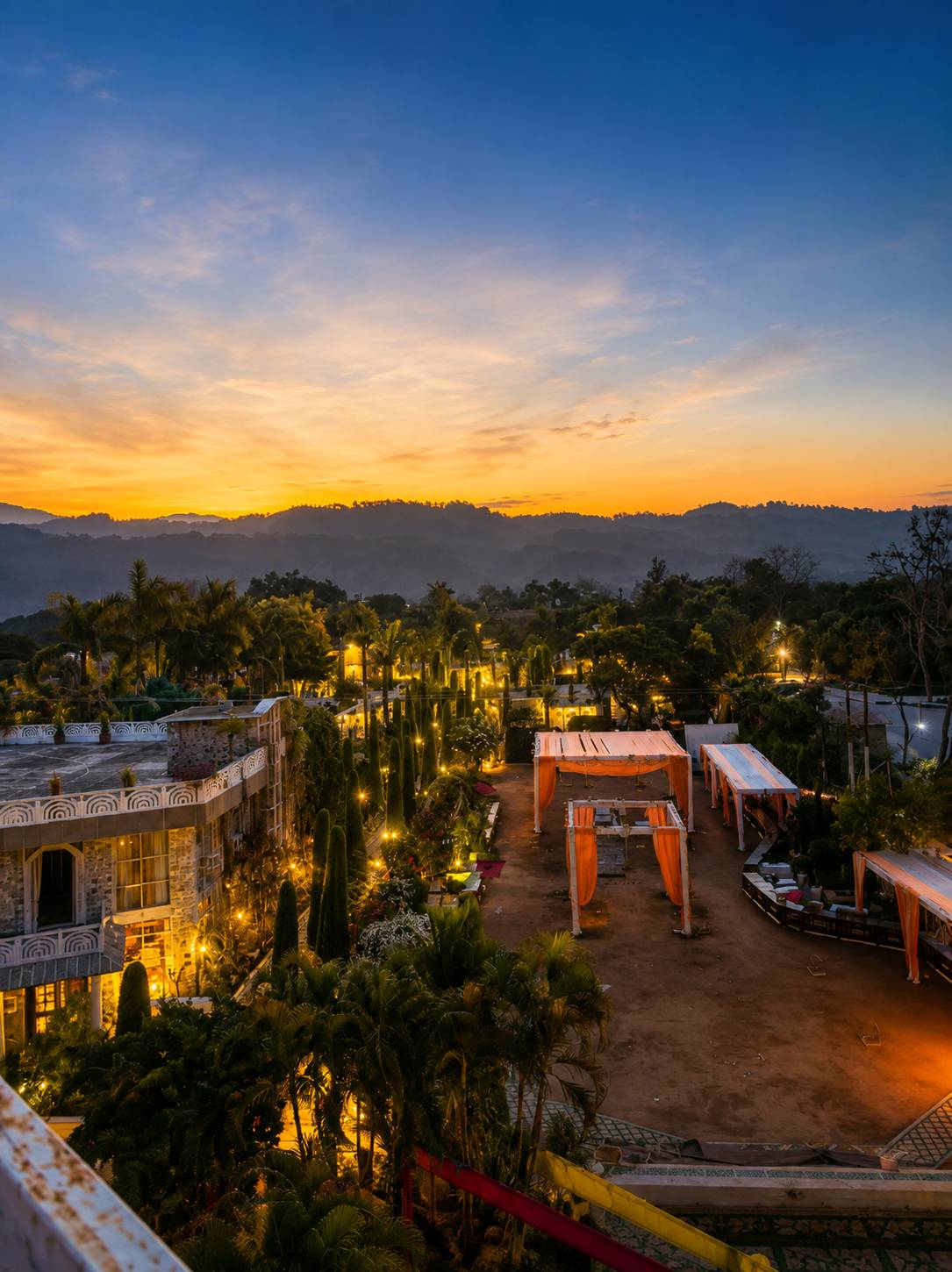
Rather than filtering resorts by the “Jim Corbett” or “Ramnagar” label in their name, use these four criteria to compare properties directly:
Confirm the actual kilometer distance, not just “near Corbett” marketing language.
Relative to your guest or attendee count, ensure the property can house your full group without splitting across hotels.
River views, forest backdrops, and mature gardens versus a more built-up, generic hotel setting.
Weddings, corporate retreats, or school groups, since operational experience varies significantly between properties.
Even within the same Ramnagar-Dhikuli belt, resorts vary considerably in ways that matter more than their marketing label. Room inventory can range from under 20 rooms at boutique properties to 60-plus at larger resorts like The Wild Crest, directly affecting whether a large wedding or corporate group can stay entirely on-site. Architectural style ranges from generic contemporary hotel construction to properties built with local stone and traditional design cues that lend more character to photography. Event infrastructure varies just as much, some properties have a single multipurpose lawn, while others offer multiple lawns and several indoor halls, materially changing how many simultaneous or sequential functions a venue can support without feeling rushed.
Search behavior partly explains why the two labels persist as if they were distinct destinations. Some travelers search “Jim Corbett” because they associate it with wildlife and the national park brand recognition, while others search “Ramnagar” because it is the actual town name they see on train tickets or road signs. Resorts, naturally, optimize their marketing for both terms rather than picking one, which reinforces the impression of two separate options even though the underlying properties and geography largely overlap. Understanding this helps you interpret search results more accurately: a resort ranking for “best resorts in Ramnagar” and another ranking for “best resorts in Jim Corbett” may well be a few kilometers apart from each other, or even the same property optimized for both terms.
Rather than running separate searches for “Jim Corbett resorts” and “Ramnagar resorts” and trying to reconcile two different lists, search both terms and then cross-reference the specific addresses that appear, since many properties will show up under both. Once you have a combined shortlist, apply the four-criteria framework above, gate distance, capacity, scenery, and track record, to narrow it down, rather than treating the label in the resort's name as meaningful information on its own.
Corporate event organizers researching venues face the identical overlap discussed throughout this piece, and the same practical advice applies: search both “Jim Corbett” and “Ramnagar” corporate or conference resort listings, expect significant overlap, and evaluate individual shortlisted properties on hall capacity, room inventory, and group-hosting experience rather than treating either label as a meaningful differentiator on its own.
The “Jim Corbett versus Ramnagar” framing is largely a marketing distinction rather than a meaningful geographic one; the properties worth considering for weddings and corporate events overwhelmingly sit within the same Ramnagar-Dhikuli belt. Rather than choosing between the two names, evaluate individual resorts on gate proximity, capacity, scenery, and event experience. The Wild Crest's Dhikuli location gives it a genuine claim to both labels, positioning it as a practical shortlist candidate whether you searched for “luxury resorts in Jim Corbett” or “luxury resorts in Ramnagar.”
Compare room categories and request a quote on the Why Choose Us page or Contact Us.